Showing posts with label spinal problems. Show all posts

Wednesday, March 15, 2017

The Leading Causes Of Failed Back Syndrome

While the treatment for spinal problems today has become so much better than the way it was in the past, the whole industry is still a work in progress. This is a natural consequence of the whole complexity of the human spinal cord.
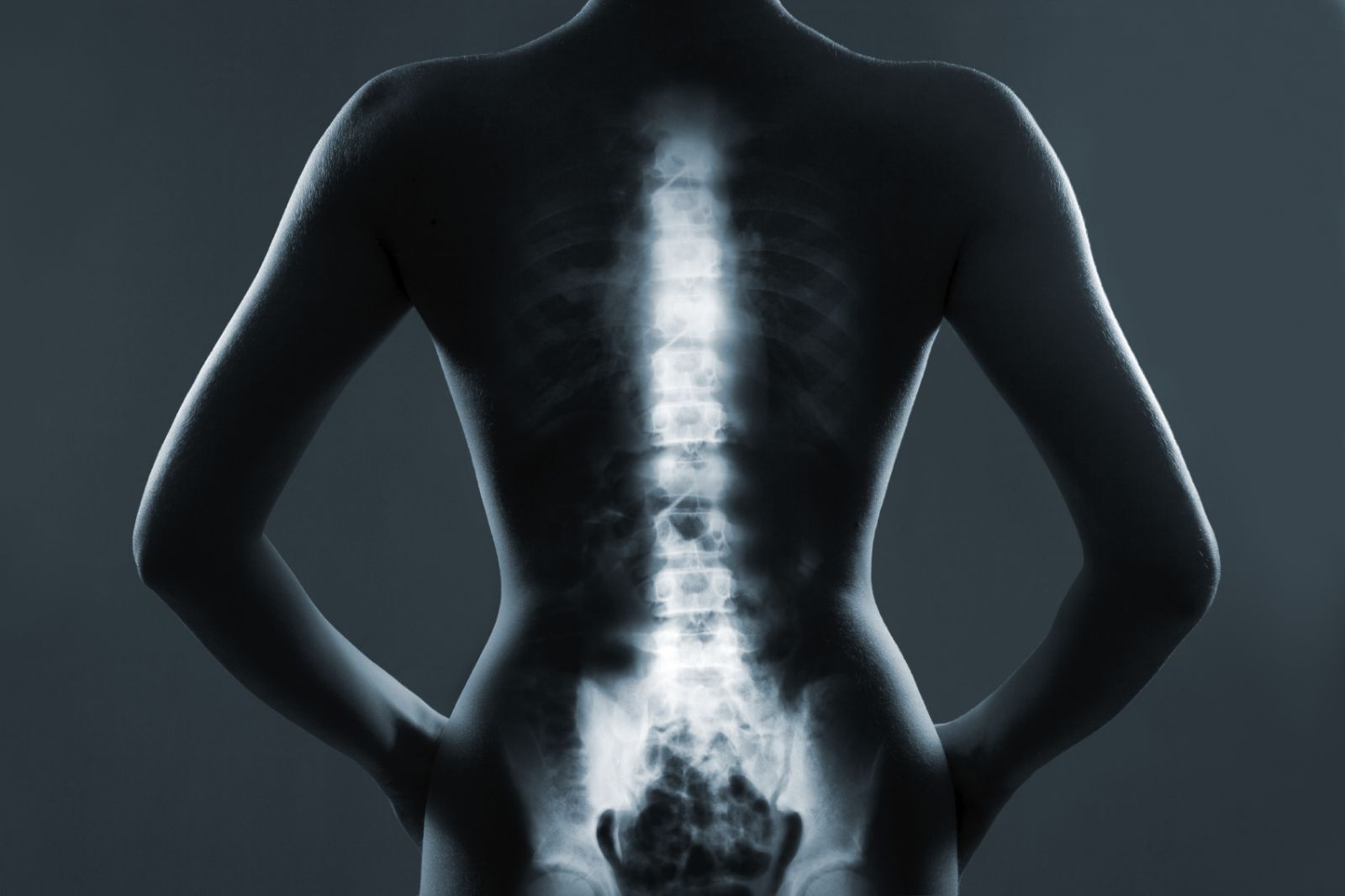
Image source: health.harvard.edu

Today, studies and exploratory measures have not ceased, just to serve the industry in the best way possible. Failed back syndrome is a typical condition that manifests itself after spine surgery, mostly characterized by symptoms of pain. There are several causes as to why spinal surgery fails to reflect a successful repair.

In some cases, the pain is due to improper preoperative pain selection. This means that surgeons may err in attributing pain to anatomic lesions in the spine, which they use to identify a pain pattern. This is not always accurate.

Recurrent disc herniation is also a culprit. Typically, this shows a substantial relief from pain, followed by a sudden recurrence of leg pain. The simplest explanation is that the symptoms for recurrent disc herniation occur acutely.

There is also such a thing as technical error due to spine surgery. The expertise to perform operations on the spine is very critical. Not too many spine surgeons have vast experience in such cases, precisely because they rarely occur.

By far, the best solutions are still provided by the medical experts who have a lot of exposure in practice, as assisted by cutting-edge diagnostic equipment. When it comes to matters of the spine, patients simply have to choose very carefully whose hands they will leave their fate into.

Image source: spine-health.com

Joseph Yazdi, M.D., holds clinic at Tesson Heights Orthopaedic & Arthroscopic Associates, P.C. Dr. Yazdi spent both his internship and residency at Hahnemann University Hospital, where he also taught. For more on spinal health, visit this blog.

Monday, January 30, 2017

Slipped Disc Explained

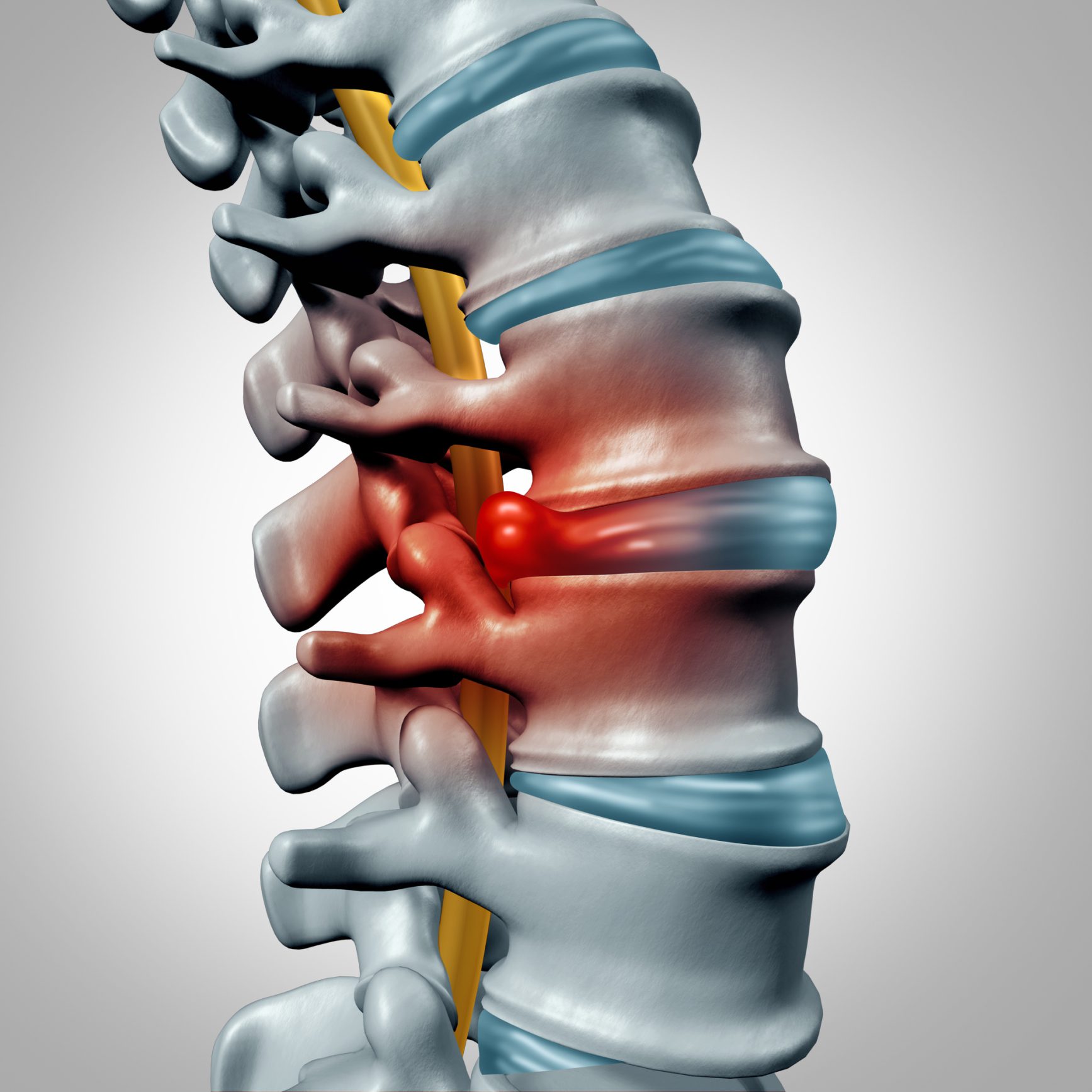
Slipped disc, otherwise known as herniated disc, is a condition that has plagued many aging people all over the world.The curious part in this is that the problem usually develops over time and happens in the thick of wear and tear action.
Image source: humanitas.net


A slipped disc can occur at any part of the spine, from the neck to the lower back, the lower back having a higher incidence of issues among most individuals. As an intricate network of nerves and blood vessels, the spine can fall victim to the added pressure that a slipped disc can place on the nerves and muscles surrounding it.

When any of the outer rings along the line of the spine tears or weakens, the inner portion tends to slip out, thus the term slipped disc.This can also be compounded with awkward motions such as lifting heavy objects that can cause strain on the lower back. The more frequent an individual has to do this kind of movement, the greater becomes the risk of having a slipped disc.

Overweight people are also at risk for having this, because their discs are required to support more weight. It also follows that people who live sedentary lifestyles and thus develop muscle weakness also put themselves at greater risk for the occurrence of a slipped disc.

Image source: triathlonmagazine.ca


Once it hits you, the impact of a slipped disc can range from excruciating pains or paralyzing numbness. Either way, this calls for everyone to become more responsible in caring for their spines.

Joseph Yazdi, M.D.,currently holds practice at Tesson Heights Orthopaedic & Arthroscopic Associates, P.C., having spent both his internship and residency at Hahnemann University Hospital, where he also served in a teaching position. He has also worked at Toledo Clinic and Hospital Sisters Health System.Read more about spinal health here.


Tuesday, January 10, 2017

The Subtle Clues Of Spinal Problems

The human body is one of the biggest mysteries in all of existence. Organ systems account for the chemical, physical, and biological processes that make a person function in a state of balance. The spinal cord alone is already a complex world of activity, which the world’s foremost experts busy themselves with figuring out.

With this, it would be very helpful for patients to alert their physicians to perceived indications of spine problems, instead of ignoring them altogether.

The most pressing sign of spinal issues is pain. However, the tolerance for pain varies among individuals. That being said, pain along the spine, no matter how small, should never be treated lightly, not even if the person can simply “shrug it off.”

Image source: youtube.com

One more indicator of spinal issues is an imbalance in a person’s symmetry. For instance, shoulders that do not seem to be at the same level in a standing position could indicate a lateral curvature on a spine.

There are also indicators to spinal problems that are not located on the spinal cord. Leg weakness, leg pain or numbness, and even tingling on any part of the lower limbs, can well be indicators of spine problems, especially if these are accompanied by imbalance on the spine.

Though it may sound far-fetched, even the loss of bowel control has also been included in the list of various symptoms.

If one suddenly finds regular activities, like walking along a straight line, or lifting an object, mysteriously difficult to do all of a sudden, this could point to a spinal issue, too.

Image source: pinnterest.com

Of course, you can never go wrong with visiting your doctor for a regular spinal check-up for a proper determination.

Joseph Yazdi MD is a physician at Tesson Heights Orthopaedic & Arthroscopic Associates, P.C. He spent both his internship and residency at Hahnemann University Hospital, where he also served in a teaching position. For more about spinal health, visit this blog.