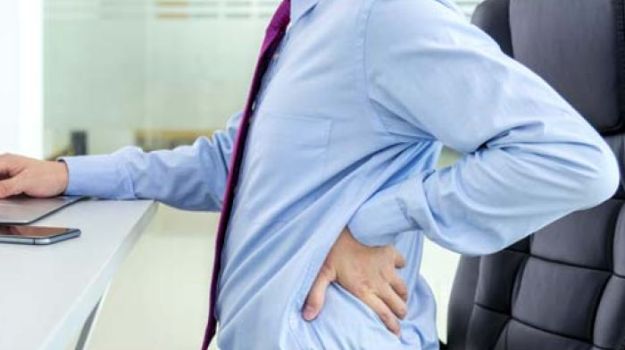
While there is the possibility that problems with one’s spine can come at any age, Dr. Joseph Yazdi believes that a huge percentage of these issues emerge during the senior stage. It’s only natural though, through decades of wear and tear, that the bones of a person, including the ones that comprise the spinal column, weaken.
No matter how careful a person is, he can delay the effects of aging only for so long. The discs of the vertebrae will inevitably wear out after years of rubbing against one another. The spaces between these discs narrow and cause back pain, which many people start to experience in their mid-40s. The pain though, worsens over the next 20 years.
Here are some common spinal issues senior citizens experience.
Spinal arthritis
Arthritis is extremely common in adults as it affects the joints and bones of the body. This includes the spine. Arthritis can be treated by pain relievers, but more severe cases may require surgery.
Osteoporosis
Osteoporosis or the loss of bone density is another common issue arising in old age. In this condition, bones become brittle and break easily. This is why a simple slip or fall for seniors may cause fractures, which may not have occurred during their younger years.
Spinal stenosis
As mentioned earlier, there are spaces between the discs of the spinal column. When the spaces close, it causes friction between the discs leading to pain. As is the case of with patients diagnosed with spinal stenosis.
An accomplished neurosurgeon, Dr. Joseph Yazdi is an alumnus of Drexel University College of Medicine and took his internship at Hahnemann University Hospital. Today, he specializes in minimally invasive surgical techniques, motion preservation through total disc replacement, and chronic pain management by placement of dorsal column stimulator (DCS) in selected patients. For similar reads, visit this blog.
 |
Image source: crat.org
|
No matter how careful a person is, he can delay the effects of aging only for so long. The discs of the vertebrae will inevitably wear out after years of rubbing against one another. The spaces between these discs narrow and cause back pain, which many people start to experience in their mid-40s. The pain though, worsens over the next 20 years.
Here are some common spinal issues senior citizens experience.
Spinal arthritis
Arthritis is extremely common in adults as it affects the joints and bones of the body. This includes the spine. Arthritis can be treated by pain relievers, but more severe cases may require surgery.
Osteoporosis
 |
Image source: spineuniverse.com
|
Spinal stenosis
As mentioned earlier, there are spaces between the discs of the spinal column. When the spaces close, it causes friction between the discs leading to pain. As is the case of with patients diagnosed with spinal stenosis.
An accomplished neurosurgeon, Dr. Joseph Yazdi is an alumnus of Drexel University College of Medicine and took his internship at Hahnemann University Hospital. Today, he specializes in minimally invasive surgical techniques, motion preservation through total disc replacement, and chronic pain management by placement of dorsal column stimulator (DCS) in selected patients. For similar reads, visit this blog.