Monday, April 10, 2017

Diagnosing And Treating Spondylolisthesis

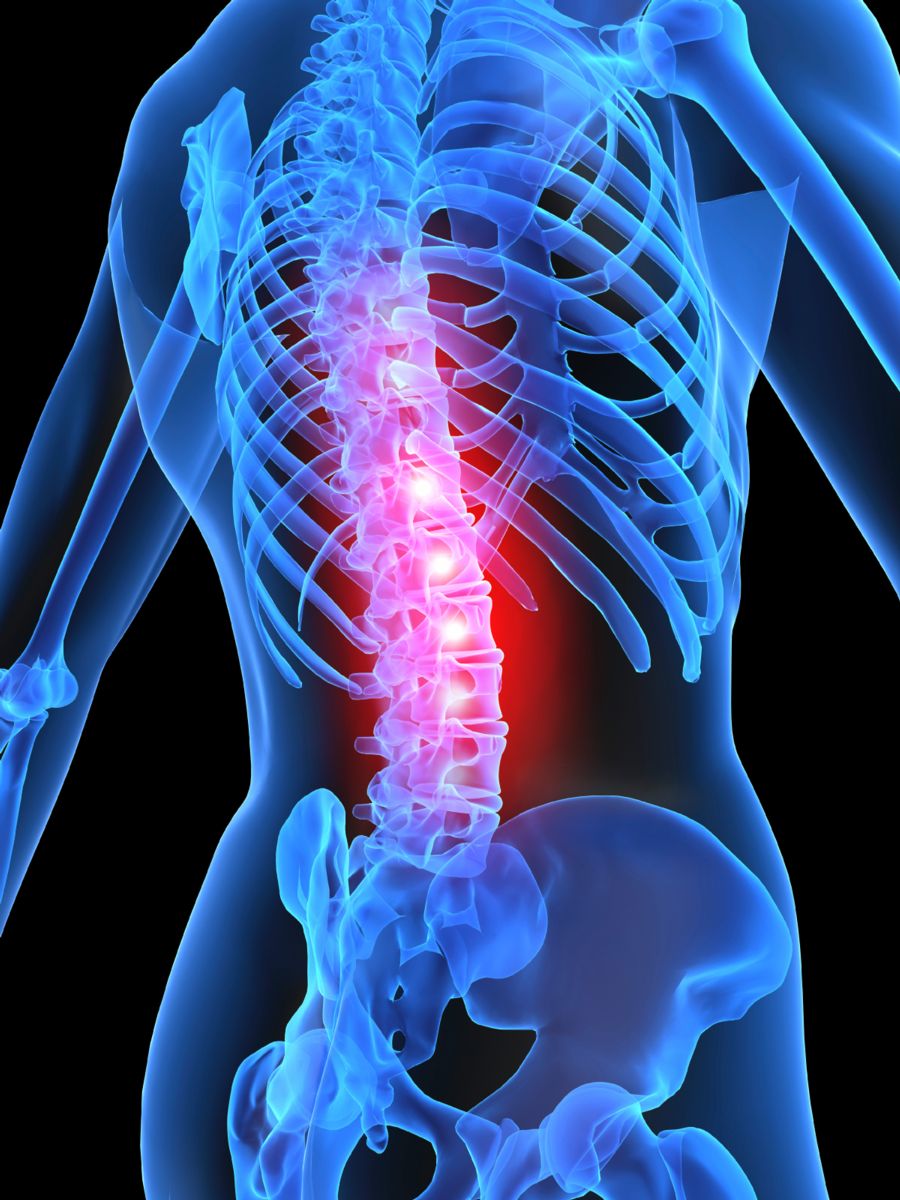
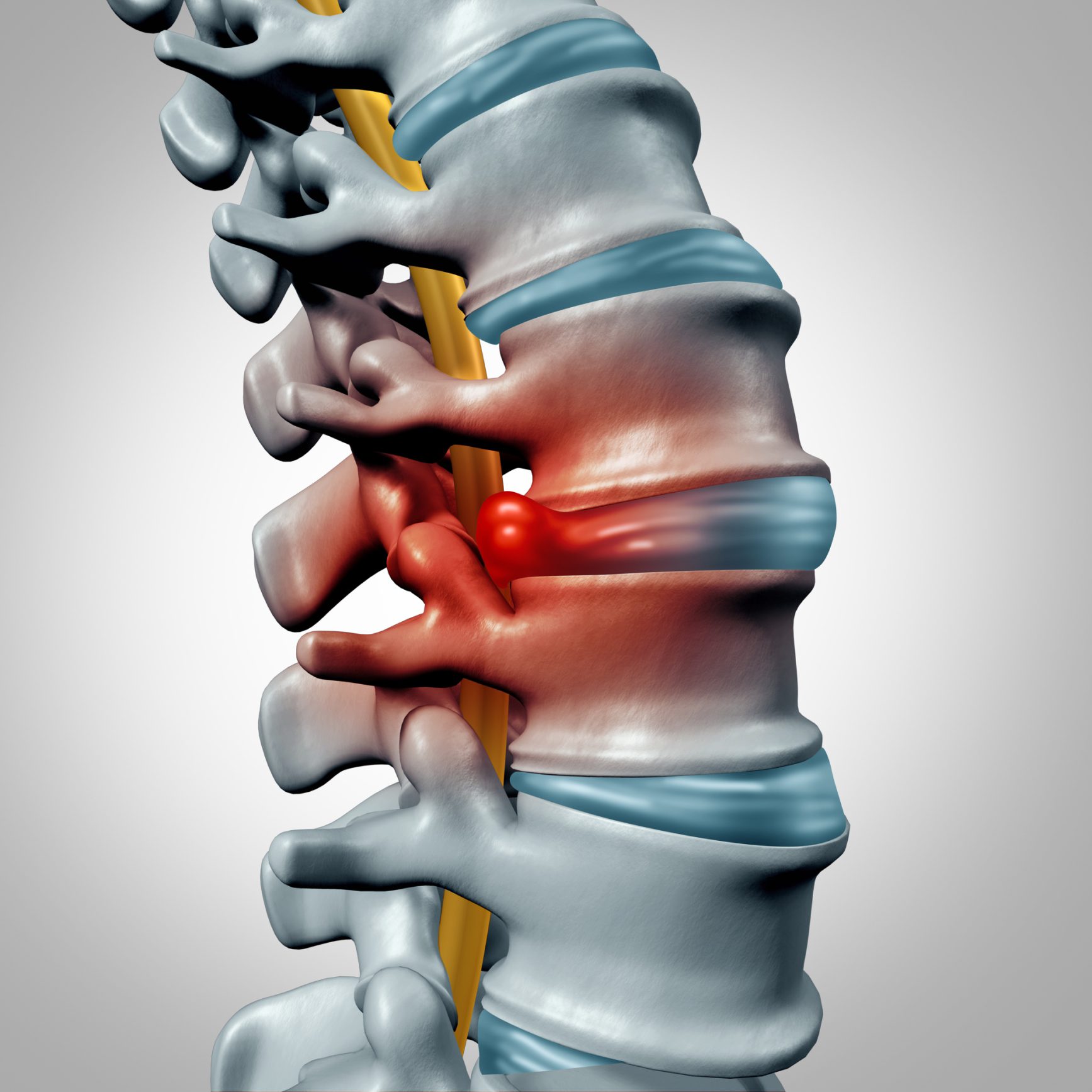
The spinal column contains 33 vertebrae that are interlocked and stacked on top of one another. When one vertebra slips forward relative to an adjacent vertebra, spondylolisthesis occurs.

There are many possible reasons for the spine condition, such as a congenital defective joint in the spinal column, an accident or trauma that has caused severe damage to a joint, stress fracture due to overuse, infection, or arthritis.

Image source: piedmontorthocomplex.com
While spondylolisthesis is more common in older adults because of wear and tear of the spine, it can also affect younger individuals who participate in sports or other physical activities, including gymnastics, weightlifting, and others.

Its symptoms include pain, numbness, or weakness in different areas, such as the back, buttock, or legs. When the leg or back is bended or used, the pain generally worsens. There are also rare cases where the patient suffers loss of bladder or bowel control.

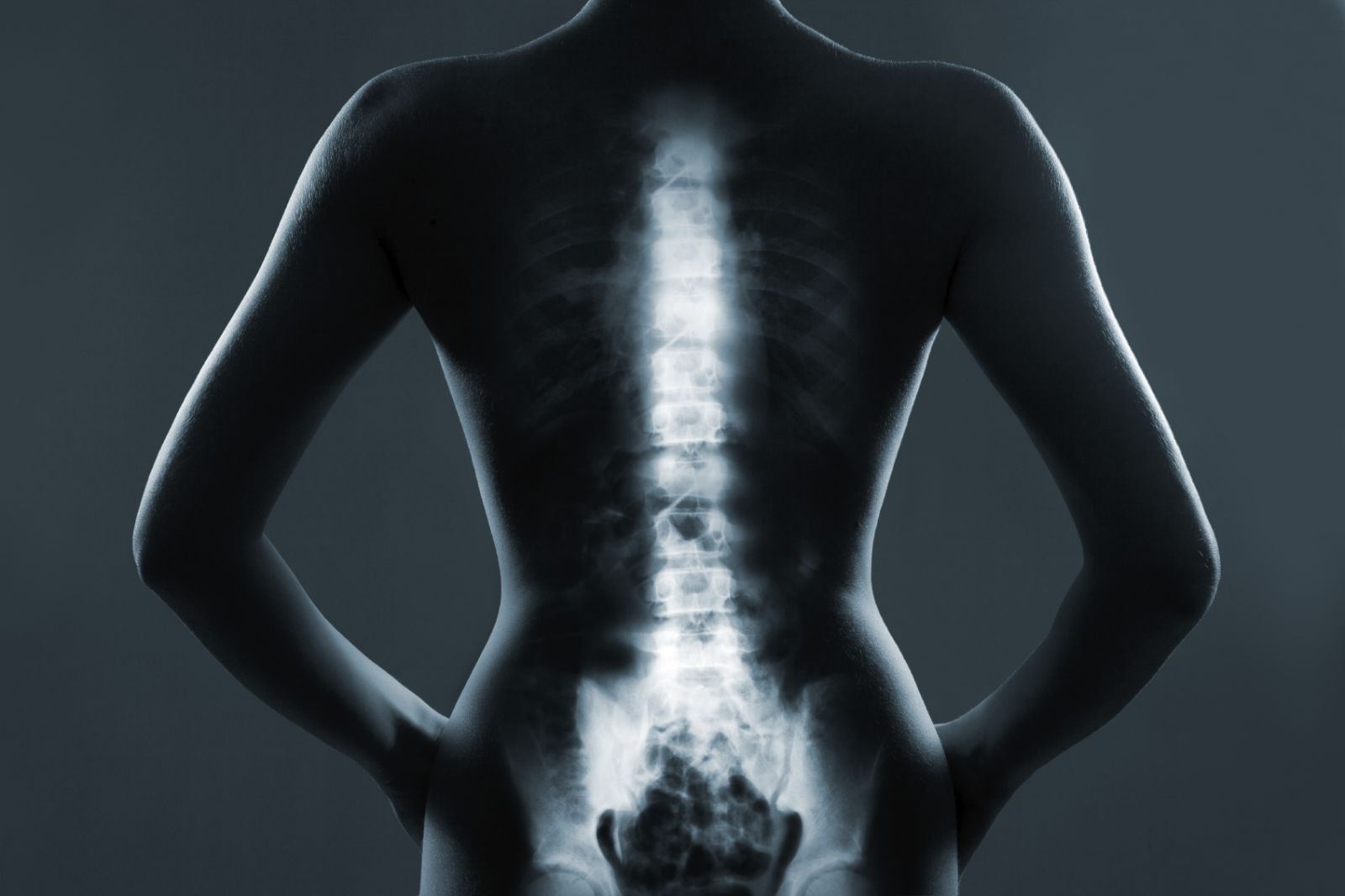
The condition then can be diagnosed through X-rays or other image scanning methods to determine which vertebra has slipped out of its place.

Image source: wikimedia.org
Treatment of spondylolisthesis usually involves just pain relievers and physical therapy, depending on the grade of the condition. However, there are instances when surgery is needed to apply decompression or fusion.

Neurosurgeon Joseph Yazdi, M.D. specializes in treating different medical conditions in the spine. Aside from his medical practice, he has also held teaching positions at Hahnemann University Hospital, the Musculoskeletal Research Center at Globus Medical Inc., and the Saint Louis School of Medicine. Visit this website to read more about Dr. Yazdi’s medical expertise.

Wednesday, March 15, 2017

The Leading Causes Of Failed Back Syndrome

While the treatment for spinal problems today has become so much better than the way it was in the past, the whole industry is still a work in progress. This is a natural consequence of the whole complexity of the human spinal cord.

Image source: health.harvard.edu

Today, studies and exploratory measures have not ceased, just to serve the industry in the best way possible. Failed back syndrome is a typical condition that manifests itself after spine surgery, mostly characterized by symptoms of pain. There are several causes as to why spinal surgery fails to reflect a successful repair.

In some cases, the pain is due to improper preoperative pain selection. This means that surgeons may err in attributing pain to anatomic lesions in the spine, which they use to identify a pain pattern. This is not always accurate.

Recurrent disc herniation is also a culprit. Typically, this shows a substantial relief from pain, followed by a sudden recurrence of leg pain. The simplest explanation is that the symptoms for recurrent disc herniation occur acutely.

There is also such a thing as technical error due to spine surgery. The expertise to perform operations on the spine is very critical. Not too many spine surgeons have vast experience in such cases, precisely because they rarely occur.

By far, the best solutions are still provided by the medical experts who have a lot of exposure in practice, as assisted by cutting-edge diagnostic equipment. When it comes to matters of the spine, patients simply have to choose very carefully whose hands they will leave their fate into.

Image source: spine-health.com

Joseph Yazdi, M.D., holds clinic at Tesson Heights Orthopaedic & Arthroscopic Associates, P.C. Dr. Yazdi spent both his internship and residency at Hahnemann University Hospital, where he also taught. For more on spinal health, visit this blog.

Wednesday, February 15, 2017

Can Scoliosis Affect Athletic Performance?

Scoliosis is a condition that is often feared by many, especially those who are physically active. Mostly idiopathic (or with unknown causes), scoliosis appears mainly in female teenagers. But can scoliosis really affect one’s sports performance?

Image source: active.com
Those with scoliosis may experience difficulty in moving than those with healthy spines. It can be a problem as mobility and flexibility play a big part in strenuous sports activities. Some individuals with scoliosis struggle to perform their best when it comes to athletics.

There are certain sports where scoliosis can cause health problems or injuries for the athlete. While it’s not necessary for individuals to quit a sport entirely, young athletes especially should be careful when training. Long-distance running can compress the spine, hyperextend the mid-back, or unevenly work the spine. This is why a lot of runners with scoliosis often complain that they experience difficulty in breathing and back pains as they perform tasks.

Image source: newyorktimes.com
But even if other physical activities should be limited, it should not be a hindrance for teenagers to stop doing sports altogether. After all, the right amount of physical movement can play a big role in successful scoliosis treatment.

Joseph Yazdi, M.D., is a physician at Tesson Heights Orthopaedic & Arthroscopic Associates, P.C. Read more about spinal health by visiting this blog.

Monday, January 30, 2017

Slipped Disc Explained

Slipped disc, otherwise known as herniated disc, is a condition that has plagued many aging people all over the world.The curious part in this is that the problem usually develops over time and happens in the thick of wear and tear action.
Image source: humanitas.net


A slipped disc can occur at any part of the spine, from the neck to the lower back, the lower back having a higher incidence of issues among most individuals. As an intricate network of nerves and blood vessels, the spine can fall victim to the added pressure that a slipped disc can place on the nerves and muscles surrounding it.

When any of the outer rings along the line of the spine tears or weakens, the inner portion tends to slip out, thus the term slipped disc.This can also be compounded with awkward motions such as lifting heavy objects that can cause strain on the lower back. The more frequent an individual has to do this kind of movement, the greater becomes the risk of having a slipped disc.

Overweight people are also at risk for having this, because their discs are required to support more weight. It also follows that people who live sedentary lifestyles and thus develop muscle weakness also put themselves at greater risk for the occurrence of a slipped disc.

Image source: triathlonmagazine.ca


Once it hits you, the impact of a slipped disc can range from excruciating pains or paralyzing numbness. Either way, this calls for everyone to become more responsible in caring for their spines.

Joseph Yazdi, M.D.,currently holds practice at Tesson Heights Orthopaedic & Arthroscopic Associates, P.C., having spent both his internship and residency at Hahnemann University Hospital, where he also served in a teaching position. He has also worked at Toledo Clinic and Hospital Sisters Health System.Read more about spinal health here.


Tuesday, January 10, 2017

The Subtle Clues Of Spinal Problems

The human body is one of the biggest mysteries in all of existence. Organ systems account for the chemical, physical, and biological processes that make a person function in a state of balance. The spinal cord alone is already a complex world of activity, which the world’s foremost experts busy themselves with figuring out.

With this, it would be very helpful for patients to alert their physicians to perceived indications of spine problems, instead of ignoring them altogether.

The most pressing sign of spinal issues is pain. However, the tolerance for pain varies among individuals. That being said, pain along the spine, no matter how small, should never be treated lightly, not even if the person can simply “shrug it off.”

Image source: youtube.com

One more indicator of spinal issues is an imbalance in a person’s symmetry. For instance, shoulders that do not seem to be at the same level in a standing position could indicate a lateral curvature on a spine.

There are also indicators to spinal problems that are not located on the spinal cord. Leg weakness, leg pain or numbness, and even tingling on any part of the lower limbs, can well be indicators of spine problems, especially if these are accompanied by imbalance on the spine.

Though it may sound far-fetched, even the loss of bowel control has also been included in the list of various symptoms.

If one suddenly finds regular activities, like walking along a straight line, or lifting an object, mysteriously difficult to do all of a sudden, this could point to a spinal issue, too.

Image source: pinnterest.com

Of course, you can never go wrong with visiting your doctor for a regular spinal check-up for a proper determination.

Joseph Yazdi MD is a physician at Tesson Heights Orthopaedic & Arthroscopic Associates, P.C. He spent both his internship and residency at Hahnemann University Hospital, where he also served in a teaching position. For more about spinal health, visit this blog.

Friday, January 6, 2017

Keeping It Straight: Adopting a Good Posture To Alleviate Back Pain

Image source: thestylecircle.com
Back pain doesn’t spare any one based on gender, age, or occupation. While its instant causes, such as an accident, a condition like scoliosis, or a sport-related injury, can be obvious, routine daily activities can also set it off.

Tasks like sitting on a chair in front of a computer or desk for a long period, and lifting and carrying heavy bags repeatedly can produce muscle tightness and tension, leading to back pain. However, the condition can be prevented through exercise and proper posture.

Posture is not exclusive to standing—it is the way a person holds the body in other positions and activities such as sitting, walking, and performing tasks like bending and reaching. Good posture aligns the bones of the spine, preventing. Proper posture also alleviates pain in other body parts like the shoulders, hips, and knees.

Here’s how to practice good posture:

Standing

Stand straight and tall with the shoulders on the back, stomach in, and knees unlocked. Weight must be on the balls of the feet, and the hands must naturally hang on the sides.

Image source: dawn.com
Sitting

The height of the chair must allow the feet to rest flat on the floor. The thighs must also be parallel to the floor. The upper back and neck must be comfortably straight, and the shoulders should be relaxed. Leg crossing should also be avoided.

Practicing good posture might feel unnatural at first, but it will improve and feel second nature over time. Good posture improves appearace and relieves back and body pain.

Dr. Joseph Yazdi, MD is an accomplished neurosurgeon who currently holds clinic at Tesson Heights Orthopaedic & Arthroscopic Associates, P.C. Learn more about his professional work by visiting this LinkedIn page.


Monday, September 19, 2016

Easy Exercises To Ease Pain In The Lower Back

Mild to moderate back pain can be treated and/or managed with daily exercises. Many medical professionals suggest everyone practice this habit for preventive purposes. It is estimated that more people are being diagnosed with chronic spine pain every year due to poor sitting habits and lifestyle choices. While not life-threatening per se, the condition could take a debilitating nature.

Thankfully, there are two easy exercises anyone can do.

The Piriformis Muscle: This muscle runs from the thigh bone to the base of the spine. This is often the area that becomes painful after sitting down from too long. To stretch this muscle, one should lay on the back, crossing the affected leg over the other. When both knees are bent, one should place both hands together under the knee of the lower leg and gently pull the bottom leg towards the chest until the stretch is felt. This should be held for 30 seconds.

Image Source: Medscape.com

The Psoas Major Muscle: This muscle occupies the front portion of the lower spine and limits mobility when constricted. Patients who have hurt this muscle often complain of difficulties standing up for long periods of time. This muscle can be stretched from a half-kneeling position. One should rotate one leg outward while tightening the butt on the side that is being stretched. Then, the person should lean forward through the hip joint. The stretch should be felt at the front of the hip.

Image Source: Medscape.com

Doing these easy stretches once or twice a day can significantly reduce the risk of developing serious chronic spinal problems.

Dr. Joseph Yazdi’s neurosurgery practice focuses on chronic spine problems including scoliosis and spinal fusion. To learn more about alleviating back pain and other spinal conditions, subscribe to this blog.