Tuesday, September 3, 2019

Common spinal problems encountered in old age

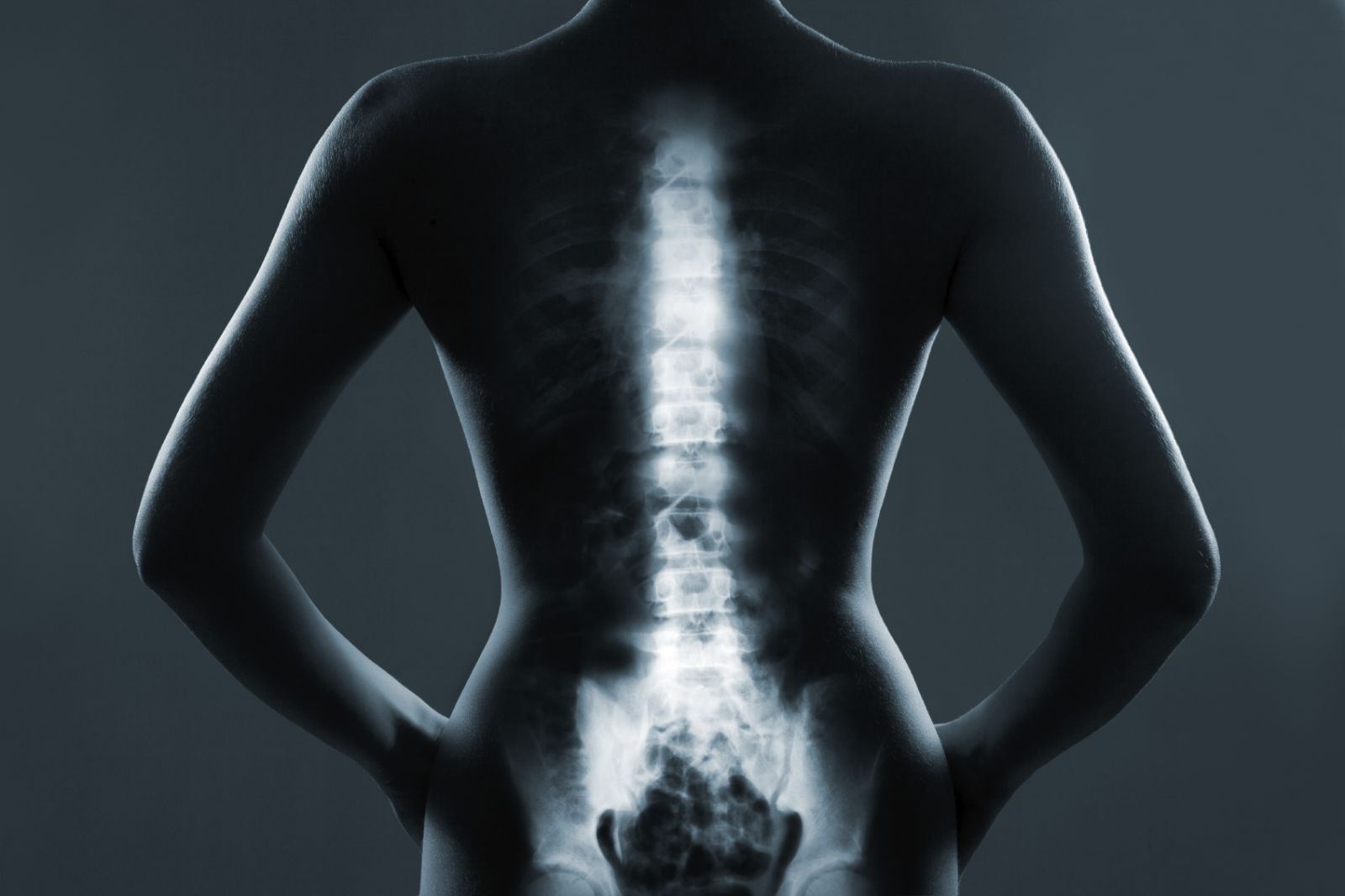
While there is the possibility that problems with one’s spine can come at any age, Dr. Joseph Yazdi believes that a huge percentage of these issues emerge during the senior stage. It’s only natural though, through decades of wear and tear, that the bones of a person, including the ones that comprise the spinal column, weaken.
Image source: crat.org


No matter how careful a person is, he can delay the effects of aging only for so long. The discs of the vertebrae will inevitably wear out after years of rubbing against one another. The spaces between these discs narrow and cause back pain, which many people start to experience in their mid-40s. The pain though, worsens over the next 20 years.

Here are some common spinal issues senior citizens experience.

Spinal arthritis

Arthritis is extremely common in adults as it affects the joints and bones of the body. This includes the spine. Arthritis can be treated by pain relievers, but more severe cases may require surgery.

Osteoporosis

Image source: spineuniverse.com
Osteoporosis or the loss of bone density is another common issue arising in old age. In this condition, bones become brittle and break easily. This is why a simple slip or fall for seniors may cause fractures, which may not have occurred during their younger years.

Spinal stenosis

As mentioned earlier, there are spaces between the discs of the spinal column. When the spaces close, it causes friction between the discs leading to pain. As is the case of with patients diagnosed with spinal stenosis.

An accomplished neurosurgeon, Dr. Joseph Yazdi is an alumnus of Drexel University College of Medicine and took his internship at Hahnemann University Hospital. Today, he specializes in minimally invasive surgical techniques, motion preservation through total disc replacement, and chronic pain management by placement of dorsal column stimulator (DCS) in selected patients. For similar reads, visit this blog.

Wednesday, July 24, 2019

More proven ways to manage chronic pain

Image source: rd.com
Chronic pain can make you feel miserable, as it is debilitating and lasts for over several months, usually between three to six months. According to a survey done by the National Health Interview in 2012, about 25.3 million Americans experience everyday pain for three straight months, with almost 40 million adults go through severe pain. And these numbers continue to increase as we head to the 2020s, says chronic spine pain surgeon Joseph Yazdi, M.D.


One method of managing chronic pain that is taken for granted is exercising. It’s actually one of the best ways to deal with chronic pain, as staying active increases the levels of dopamine and endorphins and builds up tissue oxygen. You feel pain less while also having improved moods and better sleep. Of course, exercise can sometimes increase discomfort, so make sure to first see your doctor or physical therapist to help you establish the correct regimen.

Image source: nccih.nih.gov
Another proven way to aid in chronic pain relief is doing yoga. Chronic pain can be so bad that it disrupts the way you think and affect your cognition and emotions. Doing yoga will have the opposite effect, as the meditation and postures it promotes reduce pain perception and alleviates feelings of anxiety, fatigue, and depression.

Something very simple that you can add to your diet is turmeric. Turmeric can prove very helpful in boosting overall health, including cognitive function and relief from chronic pain. This is because turmeric contains the anti-inflammatory compound called curcumin. Modern clinical evidence points to it being very effective in reducing both inflammation and pain, including the treatment of arthritis. It would do you better—if not well—by adding a sprinkle of turmeric to your meals, Dr. Joseph Yazdi advises.

Joseph Yazdi, M.D., is an accomplished neurosurgeon who specializes in minimally invasive surgical techniques, motion preservation through total disc replacement, and chronic pain management by placement of dorsal column stimulator (DCS) in selected patients. Visit this blog for similar posts.

Tuesday, May 21, 2019

Common spine problems in elderly people

Aging is a natural process whose effects will be felt by anyone, regardless of lifestyle. Proper diet and exercise can slow down the effects of aging, but only to a certain extent.
Image source: health.harvard.edu

Spinal conditions are often associated with the aging process. According to Dr. Joseph Yazdi, a spine specialist, spinal conditions in elderly people are common and can turn severe if left unchecked or untreated. Here are some of the most common spinal problems found in elderly people.

Osteoporosis

More common in women than men, osteoporosis is the result of decreasing bone mass. The lack of mass from protein and minerals like calcium can leave the bones brittle and prone to fracture. In most cases, the chance of acquiring osteoporosis can be reduced by improving protein and calcium intake early.

Image source: spineuniverse.com
Spinal fractures and hyperkyphosis 

Spinal fractures are a common type of osteoporotic fracture which can sometimes mimic the symptoms of other diseases. Meanwhile, hyperkyphosis are posture conditions brought about by spinal fractures. People who suffer from hyperkyphosis and spinal fractures often experience a nagging back pain significantly affecting comfort levels.

Disc degeneration

The structural strength and integrity of the spine diminishes as we age. This has a corresponding effect on discs, bones, ligaments, joints, and nerves. When this happens, certain parts of the spinal column could be misaligned, resulting in pressure exerted on the nerves and subsequently, pain. While Dr. Joseph Yazdi could propose certain non-surgical treatments for pain relief, the degraded state of the spinal column has only limited healing capacity and could require particular treatment plans.

Dr. Joseph Yazdi specializes in minimally invasive surgical techniques, motion preservation through total disc replacement, and chronic pain management through placement of dorsal column stimulator (DCS, or SCS) in selected patients. Over the years, he has also published several studies on neurosurgical best practice. For more information on spinal health, visit this website.

Monday, April 15, 2019

The curious connection between the spine and knee

Image source: rechargesportsinjury.com
Dr. Joseph Yazdi has seen enough patients with spinal problems to know that when the spine is affected, there is a huge possibility that other parts of the body are as well. He notes that in professional sports, many team physicians and physical therapists often consult with spinal surgeons, especially if chronic pain emerges without injury.


One body part, in particular, has a curious connection with back pain – the knee. Spine specialists often mention how the nerves of the muscles surrounding a person’s knees can be found in a person’s back. This is why it’s not impossible for malfunctioning knees to be caused by problems originating in the back, specifically the spine.

Image source: medicalnewstoday.com
Dr. Joseph Yazdi also mentions low-level nerve irritation, which can affect how the muscles around the knees work, creating a dangerous series of movements for the all-important joint in the area. He also believes that there can be perhaps a simpler diagnosis – referred pain. After all, it has been observed in the past that pinched nerves from bulging lumbar discs can send signals of pain all the way down the nerve, ending in the knee.

For these reasons, Dr. Yazdi always recommends people experiencing back discomfort to see a specialist immediately. What may seem like ordinary back issues may be a prelude to pain in the knees, pain that may hinder a person’s mobility.

Dr. Joseph Yazdi specializes in minimally invasive surgical techniques, motion preservation through total disc replacement, and chronic pain management by placement of dorsal column stimulator (DCS, or SCS) in selected patients. Over the years, he has also published several studies on neurosurgical best practice. For more insightful reads on spine health, visit this page.

Tuesday, January 22, 2019

Health and treatment: How to treat a slipped disc

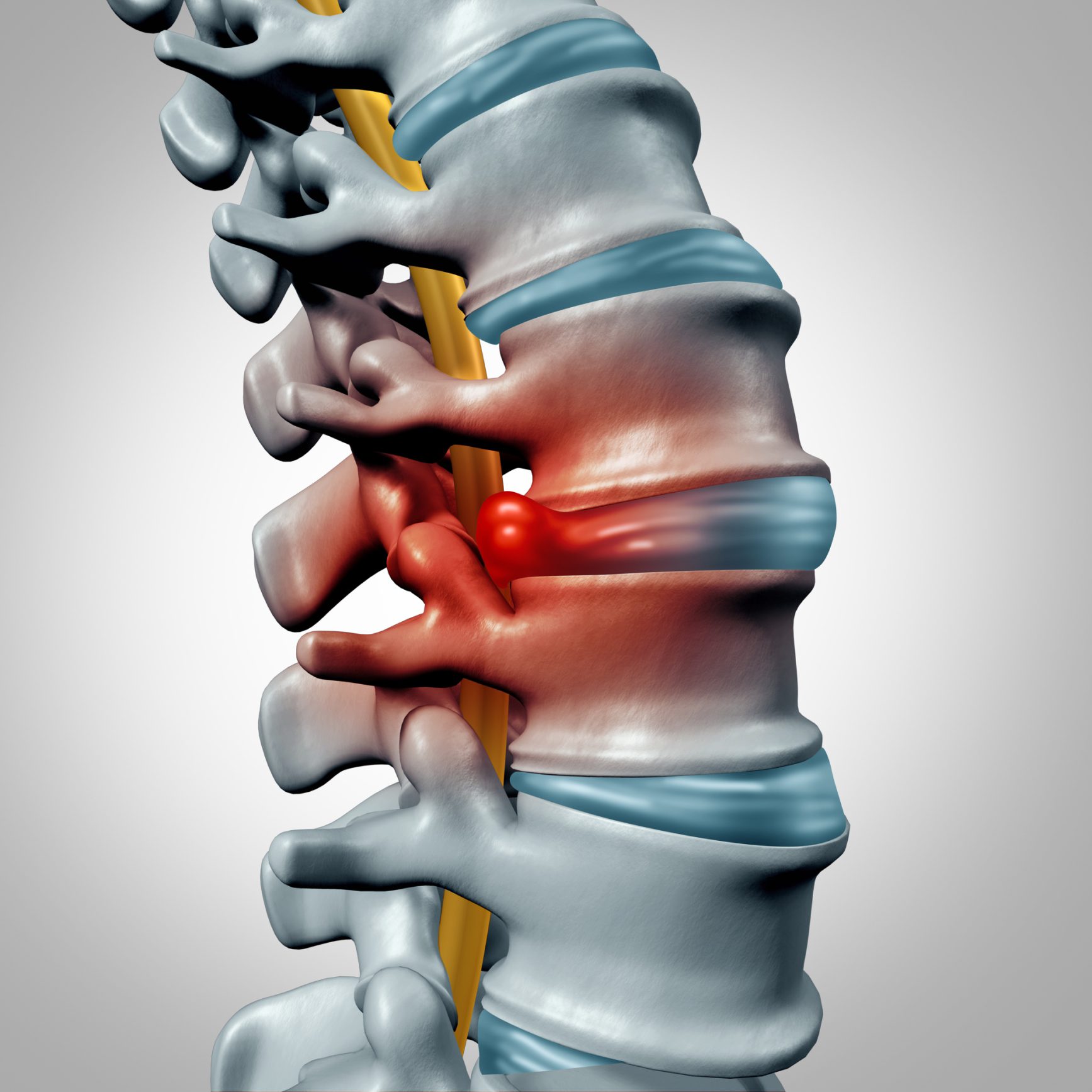
 A slipped disc or a herniated disc can develop over time as a function of aging. This occurs when the spinal disc loses water, becomes brittle, and is displaced. When this happens, the nerves within the spinal column are subjected to significant amounts of pressure, creating sensations like pain, numbness, and muscle weakness. Here are some ways to treat a slipped disc:


Conservative treatment is a standard treatment which includes avoiding positions which put stress on the affected area. This is coupled with proper medication and exercise regimens that last anywhere from several days to weeks.

Several types of medication are prescribed depending on the severity of the patient’s condition. Over-the-counter pain medication is usually prescribed for people experiencing mild pain. However, if the pain persists, stronger narcotics may be prescribed. Do take note that such medications could come with side effects such as sedation, nausea, constipation, and confusion.

In rare occasions, anticonvulsants are prescribed for people who may suffer seizures during their treatment. This is to make sure that the slipped disc isn’t subjected to further stress. For patients experiencing muscle spasms, muscle relaxers are usually prescribed.

Physical therapy is another treatment patients seek when medication fails to improve their condition. This treatment shows patients proper positions and exercises that can minimize the pain of a slipped disc.

Lastly, there’s the surgical option. It is very rare for patients who suffer from slipped disc to undergo surgery. Those who do usually treat this method as a last resort. People undergo surgery if there is already a big risk of paralysis or nerve damage.

Dr. Joseph Yazdi specializes in minimally invasive surgical techniques, motion preservation through total disc replacement, and chronic pain management by placement of dorsal column stimulator (DCS, or SCS)in selected patients. Over the years, he has also published several studies on neurosurgical best practice. For more updates on spine health, follow this Twitter account.

Thursday, January 17, 2019

Ways to alleviate chronic back pain

webmd.com
Chronic back pain is a debilitating ailment that heavily affects daily activities. According to the American Chiropractic Association, chronic back pain is responsible for 264 million lost work days in a year, and that 80 percent of the population suffers from back pain at least once in their lives. Here are some effective ways to alleviate chronic back pain.


Take prescribed pain killers from your doctor. While it’s easy to grab generic pain killers from the pharmacy, it is always better to consult your doctor about proper back pain medication. Once your doctor has examined your spine and the possible causes of chronic pain, he or she will prescribe medication to ease the pain.

Physical therapy. Consulting a physical therapist will educate you on proper posture and keeping your spine in proper shape to lessen back pain. Therapists will teach you how to sit, stand, and move in ways that will nurture the spine and spare it from stress. Physical therapy also helps patients strengthen the core and improve flexibility, two of the main bodily functions easing back pain.

webmd.com
Constantly stretch and consider workspace ergonomics. Avoid sitting slumped on your desk, especially if you are working for long stretches of hours daily. Most people bend forward while working, which can cause serious back ailments. If you can, walk around and stretch every hour for an improved blood circulation and invest in a working chair that will keep your spine comfortable.

Dr. Joseph Yazdi specializes in minimally invasive surgical techniques, motion preservation through total disc replacement, and chronic pain management by placement of dorsal column stimulator (DCS, or SCS) in selected patients. For more articles like this, visit this page.

Wednesday, July 12, 2017

Valuing Spine Health In The Workplace

Image source: food.ndtv.com
People who spend most of their time sitting and staring at the computer are not excused from non-accidental back injuries. Long hours spent slouching in the office chair may eventually take its toll on the body. It is most likely that office chairs are not the best and comfiest to work in from morning until afternoon. Breaks are too short to take long walks to relax the back muscles.

Below are two ways to take care of your spine health in the workplace.

Keep moving

Prolonged static posture is what gets everyone in the office at risk of non-accidental back injuries. Identifying this as the main problem suggests that standing up and stretching from time to time may prevent it from happening. A body that is healthy can only stay in the same position for 20 minutes. Being static for more than 20 minutes is the enemy. Moving the arms and legs even when seated may bring comfort as well.

When standing, avoid slouching. A good standing posture is when a person maintains the natural curve of the spine. Tightening the core muscles and keeping the head directly over the shoulders are just some guidelines how to keep a healthy posture. Maintain this even when walking.

Image source: ergonomicsguru.com
Sit comfortably

An office chair that mirrors the natural curve of the spine and keeps one sitting straight is an ergonomic office chair. Placing the feet flat to the ground and maintaining the 90-degree angle position of the knees, hips, and elbows is the proper sitting position. Keeping the head in neutral position provides a better view and reach of one’s desk and prevents possible neck problems.
Workplaces must be made safe and comfortable for employees and employers alike. Ergonomic offices keep workers inspired and healthy.

Dr. Joseph Yazdi is an accomplished neurosurgeon who specializes in minimally invasive surgical techniques, motion preservation through total disc replacement, and chronic pain management by placement of dorsal column stimulator (DCS, or SCS) in selected patients. Dr. Yazdi holds clinic at Tesson Heights Orthopaedic & Arthroscopic Associates, P.C. For similar updates, subscribe to this


Monday, June 12, 2017

How Can Osteoporosis Affect The Spine?

Osteoporosis has been, for the past years, a large cause for concern in the medical industry as it has afflicted over 44 million Americans. The term literally translates as “porous bones,” and it is a degenerative condition characterized by some bones’ loss of density and strength. The subsequent weakness leads to increased risks of breaks and fractures.


Image source: hip-knee.com

The medical condition can cause degeneration in any bones in the body, including arms, legs, hips, and more. But the most common part of the body that osteoporosis affects is the vertebrae of the spine.

Unfortunately, osteoporosis is also called the “silent thief” because it develops and progresses without any evident symptoms or causing any pain. When it targets the spine, the vertebrae slowly weakens and can eventually cause vertebral compression fracture, where some of the bones crack, collapse, or flatten. These can result in a loss of height and a curvature of the spine, which, in some extreme cases, can disrupt the function of internal organs.


Image source: youtube.com

It is important to note that the damages in the human body caused by osteoporosis cannot be reversed. Thus, there should be a proactive effort in the care of the spine to prevent the onset of osteoporosis.

Neurosurgeon Dr. Joseph Yazdi specializes in the management of chronic spine pain. He currently holds practice at Tesson Heights Orthopaedic & Arthroscopic Associates, P.C. Learn more about his work by following this Twitter account.


Tuesday, May 30, 2017

Weight and back pain: Knowing the connection

It is already common knowledge that being overweight or obese can cause high blood pressure, diabetes, stroke, and various cardiovascular ailments. What people do not know much about is that excess weight is also linked to back pain. According to the American Obesity Association, around a third of people who are classified as obese have experienced some form of pain in the back, particularly the lower part. 

Image source: aaronchiro.com

Some of the connection between having extra weight and back pain are the following: 

Muscle and ligament strain 

Every kilogram above what is considered healthy weight contributes to the straining of muscles and ligaments located at the back. Not only does this cause musculoskeletal and joint-related pain, but it also causes the spine to become tilted and stressed unevenly, leading to the loss of support in the spine and an unnatural curvature of the spinal column. 

Herniated disc Because there is too much pressure on the back due to excess weight, the discs and other spinal structures become damaged, resulting in a herniated disc. Similarly, pinched nerves and piriformis syndrome is also a possibility when the excess weight is pushed into the spaces between bones at the lower back. 

Osteoarthritis Based on studies, individuals who have a Body Mass Index (BMI) of more than 25 are more prone to suffering from osteoarthritis, or the wear and tear of joints. This can cause pain and stiffness, which limits the patient’s ability to function properly. 

Image source: health.com

Joseph Yazdi, M.D., specializes in treating chronic spine pain with expertise in minimally invasive surgical techniques, motion preservation through total disc replacement, and placement of dorsal column stimulator for chronic pain management. Click here for more articles about this medical field.

Monday, April 10, 2017

Diagnosing And Treating Spondylolisthesis

The spinal column contains 33 vertebrae that are interlocked and stacked on top of one another. When one vertebra slips forward relative to an adjacent vertebra, spondylolisthesis occurs.

There are many possible reasons for the spine condition, such as a congenital defective joint in the spinal column, an accident or trauma that has caused severe damage to a joint, stress fracture due to overuse, infection, or arthritis.

Image source: piedmontorthocomplex.com
While spondylolisthesis is more common in older adults because of wear and tear of the spine, it can also affect younger individuals who participate in sports or other physical activities, including gymnastics, weightlifting, and others.

Its symptoms include pain, numbness, or weakness in different areas, such as the back, buttock, or legs. When the leg or back is bended or used, the pain generally worsens. There are also rare cases where the patient suffers loss of bladder or bowel control.

The condition then can be diagnosed through X-rays or other image scanning methods to determine which vertebra has slipped out of its place.

Image source: wikimedia.org
Treatment of spondylolisthesis usually involves just pain relievers and physical therapy, depending on the grade of the condition. However, there are instances when surgery is needed to apply decompression or fusion.

Neurosurgeon Joseph Yazdi, M.D. specializes in treating different medical conditions in the spine. Aside from his medical practice, he has also held teaching positions at Hahnemann University Hospital, the Musculoskeletal Research Center at Globus Medical Inc., and the Saint Louis School of Medicine. Visit this website to read more about Dr. Yazdi’s medical expertise.

Wednesday, March 15, 2017

The Leading Causes Of Failed Back Syndrome

While the treatment for spinal problems today has become so much better than the way it was in the past, the whole industry is still a work in progress. This is a natural consequence of the whole complexity of the human spinal cord.

Image source: health.harvard.edu

Today, studies and exploratory measures have not ceased, just to serve the industry in the best way possible. Failed back syndrome is a typical condition that manifests itself after spine surgery, mostly characterized by symptoms of pain. There are several causes as to why spinal surgery fails to reflect a successful repair.

In some cases, the pain is due to improper preoperative pain selection. This means that surgeons may err in attributing pain to anatomic lesions in the spine, which they use to identify a pain pattern. This is not always accurate.

Recurrent disc herniation is also a culprit. Typically, this shows a substantial relief from pain, followed by a sudden recurrence of leg pain. The simplest explanation is that the symptoms for recurrent disc herniation occur acutely.

There is also such a thing as technical error due to spine surgery. The expertise to perform operations on the spine is very critical. Not too many spine surgeons have vast experience in such cases, precisely because they rarely occur.

By far, the best solutions are still provided by the medical experts who have a lot of exposure in practice, as assisted by cutting-edge diagnostic equipment. When it comes to matters of the spine, patients simply have to choose very carefully whose hands they will leave their fate into.

Image source: spine-health.com

Joseph Yazdi, M.D., holds clinic at Tesson Heights Orthopaedic & Arthroscopic Associates, P.C. Dr. Yazdi spent both his internship and residency at Hahnemann University Hospital, where he also taught. For more on spinal health, visit this blog.

Wednesday, February 15, 2017

Can Scoliosis Affect Athletic Performance?

Scoliosis is a condition that is often feared by many, especially those who are physically active. Mostly idiopathic (or with unknown causes), scoliosis appears mainly in female teenagers. But can scoliosis really affect one’s sports performance?

Image source: active.com
Those with scoliosis may experience difficulty in moving than those with healthy spines. It can be a problem as mobility and flexibility play a big part in strenuous sports activities. Some individuals with scoliosis struggle to perform their best when it comes to athletics.

There are certain sports where scoliosis can cause health problems or injuries for the athlete. While it’s not necessary for individuals to quit a sport entirely, young athletes especially should be careful when training. Long-distance running can compress the spine, hyperextend the mid-back, or unevenly work the spine. This is why a lot of runners with scoliosis often complain that they experience difficulty in breathing and back pains as they perform tasks.

Image source: newyorktimes.com
But even if other physical activities should be limited, it should not be a hindrance for teenagers to stop doing sports altogether. After all, the right amount of physical movement can play a big role in successful scoliosis treatment.

Joseph Yazdi, M.D., is a physician at Tesson Heights Orthopaedic & Arthroscopic Associates, P.C. Read more about spinal health by visiting this blog.

Monday, January 30, 2017

Slipped Disc Explained

Slipped disc, otherwise known as herniated disc, is a condition that has plagued many aging people all over the world.The curious part in this is that the problem usually develops over time and happens in the thick of wear and tear action.
Image source: humanitas.net


A slipped disc can occur at any part of the spine, from the neck to the lower back, the lower back having a higher incidence of issues among most individuals. As an intricate network of nerves and blood vessels, the spine can fall victim to the added pressure that a slipped disc can place on the nerves and muscles surrounding it.

When any of the outer rings along the line of the spine tears or weakens, the inner portion tends to slip out, thus the term slipped disc.This can also be compounded with awkward motions such as lifting heavy objects that can cause strain on the lower back. The more frequent an individual has to do this kind of movement, the greater becomes the risk of having a slipped disc.

Overweight people are also at risk for having this, because their discs are required to support more weight. It also follows that people who live sedentary lifestyles and thus develop muscle weakness also put themselves at greater risk for the occurrence of a slipped disc.

Image source: triathlonmagazine.ca


Once it hits you, the impact of a slipped disc can range from excruciating pains or paralyzing numbness. Either way, this calls for everyone to become more responsible in caring for their spines.

Joseph Yazdi, M.D.,currently holds practice at Tesson Heights Orthopaedic & Arthroscopic Associates, P.C., having spent both his internship and residency at Hahnemann University Hospital, where he also served in a teaching position. He has also worked at Toledo Clinic and Hospital Sisters Health System.Read more about spinal health here.


Tuesday, January 10, 2017

The Subtle Clues Of Spinal Problems

The human body is one of the biggest mysteries in all of existence. Organ systems account for the chemical, physical, and biological processes that make a person function in a state of balance. The spinal cord alone is already a complex world of activity, which the world’s foremost experts busy themselves with figuring out.

With this, it would be very helpful for patients to alert their physicians to perceived indications of spine problems, instead of ignoring them altogether.

The most pressing sign of spinal issues is pain. However, the tolerance for pain varies among individuals. That being said, pain along the spine, no matter how small, should never be treated lightly, not even if the person can simply “shrug it off.”

Image source: youtube.com

One more indicator of spinal issues is an imbalance in a person’s symmetry. For instance, shoulders that do not seem to be at the same level in a standing position could indicate a lateral curvature on a spine.

There are also indicators to spinal problems that are not located on the spinal cord. Leg weakness, leg pain or numbness, and even tingling on any part of the lower limbs, can well be indicators of spine problems, especially if these are accompanied by imbalance on the spine.

Though it may sound far-fetched, even the loss of bowel control has also been included in the list of various symptoms.

If one suddenly finds regular activities, like walking along a straight line, or lifting an object, mysteriously difficult to do all of a sudden, this could point to a spinal issue, too.

Image source: pinnterest.com

Of course, you can never go wrong with visiting your doctor for a regular spinal check-up for a proper determination.

Joseph Yazdi MD is a physician at Tesson Heights Orthopaedic & Arthroscopic Associates, P.C. He spent both his internship and residency at Hahnemann University Hospital, where he also served in a teaching position. For more about spinal health, visit this blog.

Friday, January 6, 2017

Keeping It Straight: Adopting a Good Posture To Alleviate Back Pain

Image source: thestylecircle.com
Back pain doesn’t spare any one based on gender, age, or occupation. While its instant causes, such as an accident, a condition like scoliosis, or a sport-related injury, can be obvious, routine daily activities can also set it off.

Tasks like sitting on a chair in front of a computer or desk for a long period, and lifting and carrying heavy bags repeatedly can produce muscle tightness and tension, leading to back pain. However, the condition can be prevented through exercise and proper posture.

Posture is not exclusive to standing—it is the way a person holds the body in other positions and activities such as sitting, walking, and performing tasks like bending and reaching. Good posture aligns the bones of the spine, preventing. Proper posture also alleviates pain in other body parts like the shoulders, hips, and knees.

Here’s how to practice good posture:

Standing

Stand straight and tall with the shoulders on the back, stomach in, and knees unlocked. Weight must be on the balls of the feet, and the hands must naturally hang on the sides.

Image source: dawn.com
Sitting

The height of the chair must allow the feet to rest flat on the floor. The thighs must also be parallel to the floor. The upper back and neck must be comfortably straight, and the shoulders should be relaxed. Leg crossing should also be avoided.

Practicing good posture might feel unnatural at first, but it will improve and feel second nature over time. Good posture improves appearace and relieves back and body pain.

Dr. Joseph Yazdi, MD is an accomplished neurosurgeon who currently holds clinic at Tesson Heights Orthopaedic & Arthroscopic Associates, P.C. Learn more about his professional work by visiting this LinkedIn page.


Monday, September 19, 2016

Easy Exercises To Ease Pain In The Lower Back

Mild to moderate back pain can be treated and/or managed with daily exercises. Many medical professionals suggest everyone practice this habit for preventive purposes. It is estimated that more people are being diagnosed with chronic spine pain every year due to poor sitting habits and lifestyle choices. While not life-threatening per se, the condition could take a debilitating nature.

Thankfully, there are two easy exercises anyone can do.

The Piriformis Muscle: This muscle runs from the thigh bone to the base of the spine. This is often the area that becomes painful after sitting down from too long. To stretch this muscle, one should lay on the back, crossing the affected leg over the other. When both knees are bent, one should place both hands together under the knee of the lower leg and gently pull the bottom leg towards the chest until the stretch is felt. This should be held for 30 seconds.

Image Source: Medscape.com

The Psoas Major Muscle: This muscle occupies the front portion of the lower spine and limits mobility when constricted. Patients who have hurt this muscle often complain of difficulties standing up for long periods of time. This muscle can be stretched from a half-kneeling position. One should rotate one leg outward while tightening the butt on the side that is being stretched. Then, the person should lean forward through the hip joint. The stretch should be felt at the front of the hip.

Image Source: Medscape.com

Doing these easy stretches once or twice a day can significantly reduce the risk of developing serious chronic spinal problems.

Dr. Joseph Yazdi’s neurosurgery practice focuses on chronic spine problems including scoliosis and spinal fusion. To learn more about alleviating back pain and other spinal conditions, subscribe to this blog.

Friday, August 19, 2016

The Early Warning Signs Of Scoliosis

As a spinal issue, scoliosis is a very challenging condition. Most scoliosis patients have attested how much the condition limits and immobilizes them in many ways, keeping them from having comfortable lifestyles. Here is a list of early warning signs of scoliosis, which may direct us to visit the doctor sooner rather than later:

Posture abnormalities: Any oddity in your general skeletal structure should be treated as a red flag. If you feel that you generally tend to lean forward or backward, or if you tend to appear as if you are favoring one side when you stand upright, get a doctor’s opinion.

Image source: en.wikipedia.org


Breathing difficulties: Scoliosis could be causing minor pains that people learn to tolerate, as if they were minor quirks, by shifting their bodily postures ever so subtly. This could provide relief, but truly this method is not without fault. Accommodating the pain results in breathing difficulties that are caused by the irregularity in posture.

Limping: Any limp, especially one that has been going on for a while, might just be a sign that points to scoliosis. When a spine has an irregularity, the body tends to shift to one side, causing a person to walk with a limp.

Image source: greathousechiropractic.com


It is best to note that there is very little that can be done to actually prevent scoliosis. It is a cold reality that a number of people are just destined to have it. However, its effects can be managed. Being aware of early warning signs could ensure that you do not have to go through the full scale of its discomforts.

Neurosurgeon Joseph Yazdi, M.D. is a seasoned medical practitioner who is familiar with the newest ways to manage scoliosis and other spine-related issues. Learn more about his expertise by following this blog.

Monday, July 25, 2016

A Comparative Look At The Minimally Invasive Spine Surgeries

For those suffering from low back pain or radicular pain that may be caused by spine conditions, such as degenerative disc disease, herniated discs, or scoliosis, some options do not require major operative care.

http://wfdd-live.s3.amazonaws.com/styles/story-full/s3/images/story/Physical-Therapy-May-Help-For-Back-Pain-But-Time-Works-Best-448300847-1445796880.jpg?itok=YxDuSLnU
 Image source: wfdd.org

Minimally invasive spine surgeries involve fusing two or more vertebrae together using bone grafts either from the patient’s pelvic bone or a donor to add strength and stability to the spine. It is also considered only when extensive non-surgery therapies have been exhausted.

http://img.medscape.com/thumbnail_library/nih_140911_spinal_fusion_800x600.jpg
 Image source: medscape.com

The common minimally invasive surgeries done on the spine are the following:

Posterior lumbar interbody fusion (PLIF): With this method, the vertebrae are reached by creating an incision in the middle part of the back. Two small bone graft spacers are placed on each side of the interbody space.

Transforaminal lumbar interbody fusion (TLIF): TLIF has recently gained popularity as a refined version of PLIF. The vertebrae are accessed from the side of the spinal canal, minimizing the trauma to the spine, the amount of muscles dissected through, and nerve manipulation.

Anterior lumbar interbody fusion (ALIF): Instead of operating on the spine through the back side, the incision is done on the front side of the body, cutting through the muscles in the lower abdomen. The muscular strength and function are still preserved after the surgery and recovery.

Extreme lumbar interbody fusion (XLIF): XLIF is a relatively new fusion procedure that works on the anterior side of the spine through one or two incisions on the patient’s side. It uses special retractors, a fluoroscopy machine, and monitoring equipment. XLIF may be less painful and usually, results in a shorter recovery period.

Neurosurgeon Joseph Yazdi, M.D., specializes in minimally invasive surgical techniques. Learn more about his work by visiting this LinkedIn profile.

Tuesday, June 28, 2016

What Causes Adult Degenerative Scoliosis?

Image source: mayoclinic.org
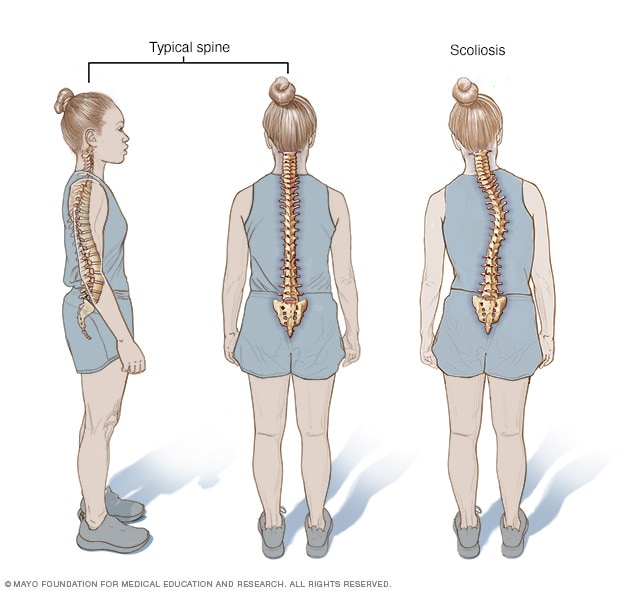
Degenerative scoliosis is the curving of spine caused by the degeneration of the facet joints and the discs. This usually occurs to people over 65 years old.

Facet joint deterioration is similar to the causes of osteoarthritis. However, degenerative scoliosis causes a straight spine to shift. Because of this, the spine curves to just one side.

When scoliosis is discovered after puberty, it is already considered adult scoliosis. Its causes are different from that of scoliosis detected at an earlier age. Scoliosis in adults can be caused by other spinal conditions that affect the vertebrae. For instance, osteoporosis, osteomalacia (bone softening), or bone degenerations, could be the culprits. Adult scoliosis can also appear after a major spinal surgery.

Image source: linkedin.com
Degenerative adult scoliosis begins as a back pain. The degeneration occurring in the spine causes the curve to form. Those experiencing the condition could feel numbness, pain, and weakness in the lower back and leg portions of the body. In some cases, patients experience difficulty walking due to the pressure on the spinal nerves.

Surgery is not always the first option to treat adult degenerative scoliosis, but it can be required if the pain is severe or if the patient is experiencing breathing problems. Other treatment options include bracing, physical therapy, and medication for pain management.

Dr. Joseph Yazdi is a neurosurgeon with years of expertise in treating chronic spine conditions like failed back syndrome, scoliosis, and spinal fusion. Learn more about spinal injuries and other related medical issues by visiting this blog.


Wednesday, May 4, 2016

How Spinal Cord Stimulation Compares with Other Pain Management Options

Also known as dorsal column stimulation, spinal cord stimulation provides an alternative means of pain management that could offer results when other procedures, particularly surgery, prove ineffective. In addition, the procedure is frequently sought for peripheral neuropathy, reflex sympathetic dystrophy, arachnoiditis, and causalgia.


Image source: medtronic.com

The entire procedure is minimally invasive, with an implant placed in the spine or just under the skin close to the affected region. The implant releases a current, controlled through a handheld device, which creates a pleasant sensation while blocking the pain signals of the affected nerves. 

Spinal cord stimulation offers a drug-free approach to pain management, relying instead on electricity to manage pain. This avoids many of the risks associated with using medications for chronic pain management (especially in the case of particularly risky drugs), particularly the tolerance that builds up over time when drugs are taken orally. Because it is comparatively minimally invasive, the treatment also exposes the patient to less risks than another attempt at surgery. 

In addition, unlike most surgical implants such as targeted drug delivery, spinal cord stimulators are first installed as a trial before being replaced by a more permanent system. Lasting about a week, the trial takes 20 minutes to install and is used to determine the efficacy of the treatment. It is also easily removable when proven ineffective or deemed no longer necessary.


Image source: webmd.com
As with many treatments, there are contraindications to spinal cord stimulation such as systematic infection, pregnancy and lactation, sensitivity to transcutaneous electrostimulation, and pacemaker use. In addition, the procedure is limited in its effectiveness, with only between 50 and 60 percent of patients reporting efficacy of pain reduction. Moreover, being only a means of systematic relief, it does not address the source of the pain itself; it is therefore often given only after surgery or physical therapy had been tried. 

Joseph Yazdi, MD, is a neurosurgeon specializing in chronic pain management through spinal cord stimulation and other minimally invasive surgical techniques. For more on this and other procedures involving the vertebral column and spinal cord, visit this blog.